
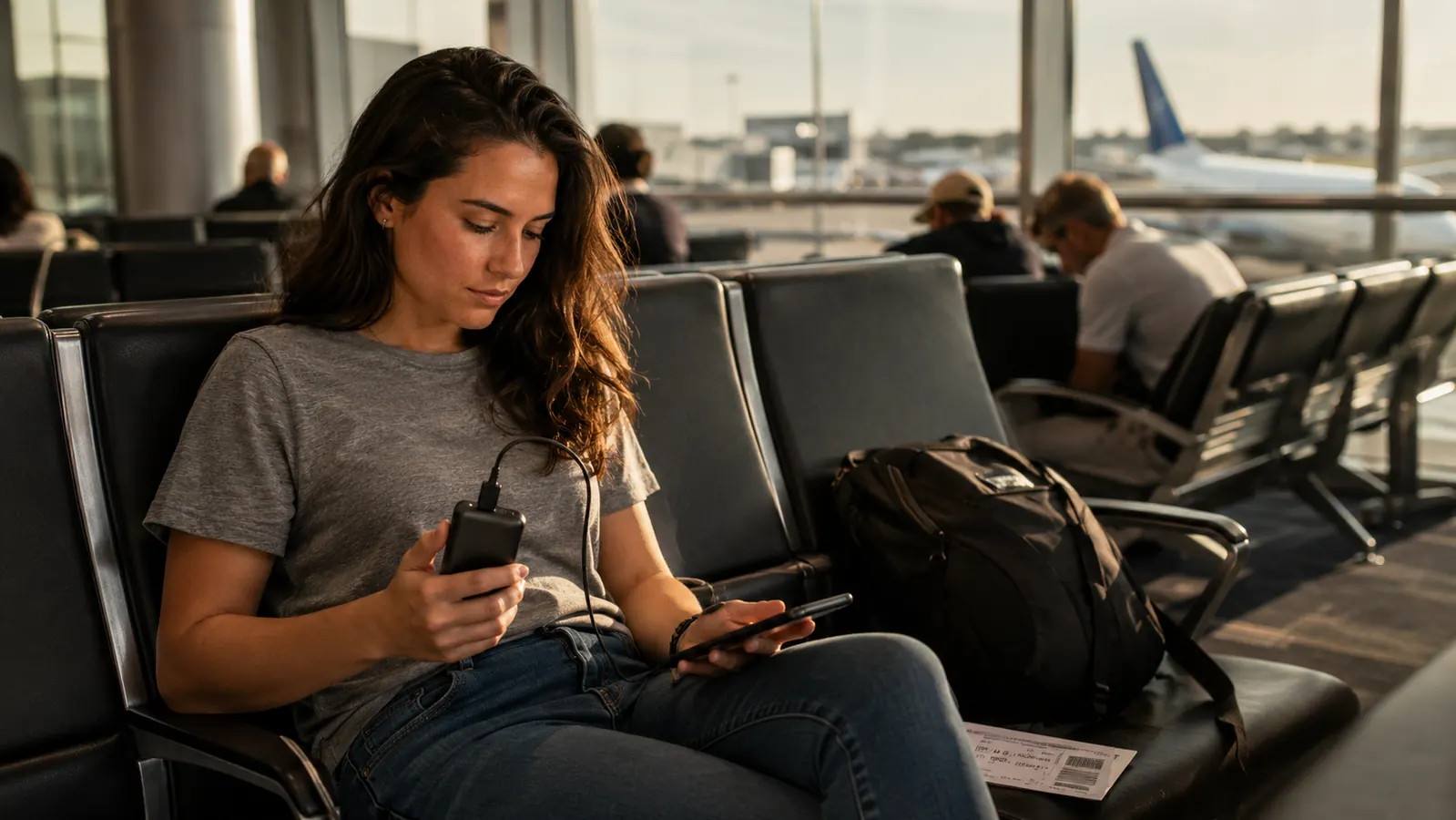
A dead phone at 40 percent battery and three hours left on a layover is one of the most preventable problems in travel, and it keeps happening anyway. Chargers get left in hotel rooms, outlets are scarce at gates, and a full day of maps, boarding passes, and photos drains a phone faster than anyone plans for. A portable charger like the INIU 45W 10000mAh power bank fixes this specific problem, not travel in general, and that's exactly why it earns a permanent spot in a carry-on instead of getting left behind.
We've carried the same INIU 45W 10000mAh power bank through enough trips, weekend flights, cross-country drives, and two-week international runs, that the reasons it's worth buying stopped being marketing claims and started being things we could point to. None of these ten reasons are abstract. Each one is a specific moment where having a charged battery in a pocket mattered more than saving the two ounces of extra weight it adds to a bag, and where a phone that stayed charged all day changed how the rest of the trip went.
The charger that's stopped more dead-battery scrambles than we can count
The INIU 45W 10000mAh power bank fits a jacket pocket, charges a phone in under 30 minutes flat, and has never once died on us mid-trip. Check today's price before your next flight.
Amazon Check Today's Price on Amazon →You stop rationing your phone battery to survive a travel day
Maps, boarding passes, translation apps, and photos all pull from the same battery, and a full travel day burns through a phone faster than a normal day at home. Without a backup, that means dimming the screen, closing apps, and putting the phone in airplane mode between uses just to make it to the hotel. With a charger like the INIU in a bag, none of that rationing is necessary. The phone gets used the way it's meant to be used, all day, because there's a real backup instead of a hope that the outlet at the gate is free.
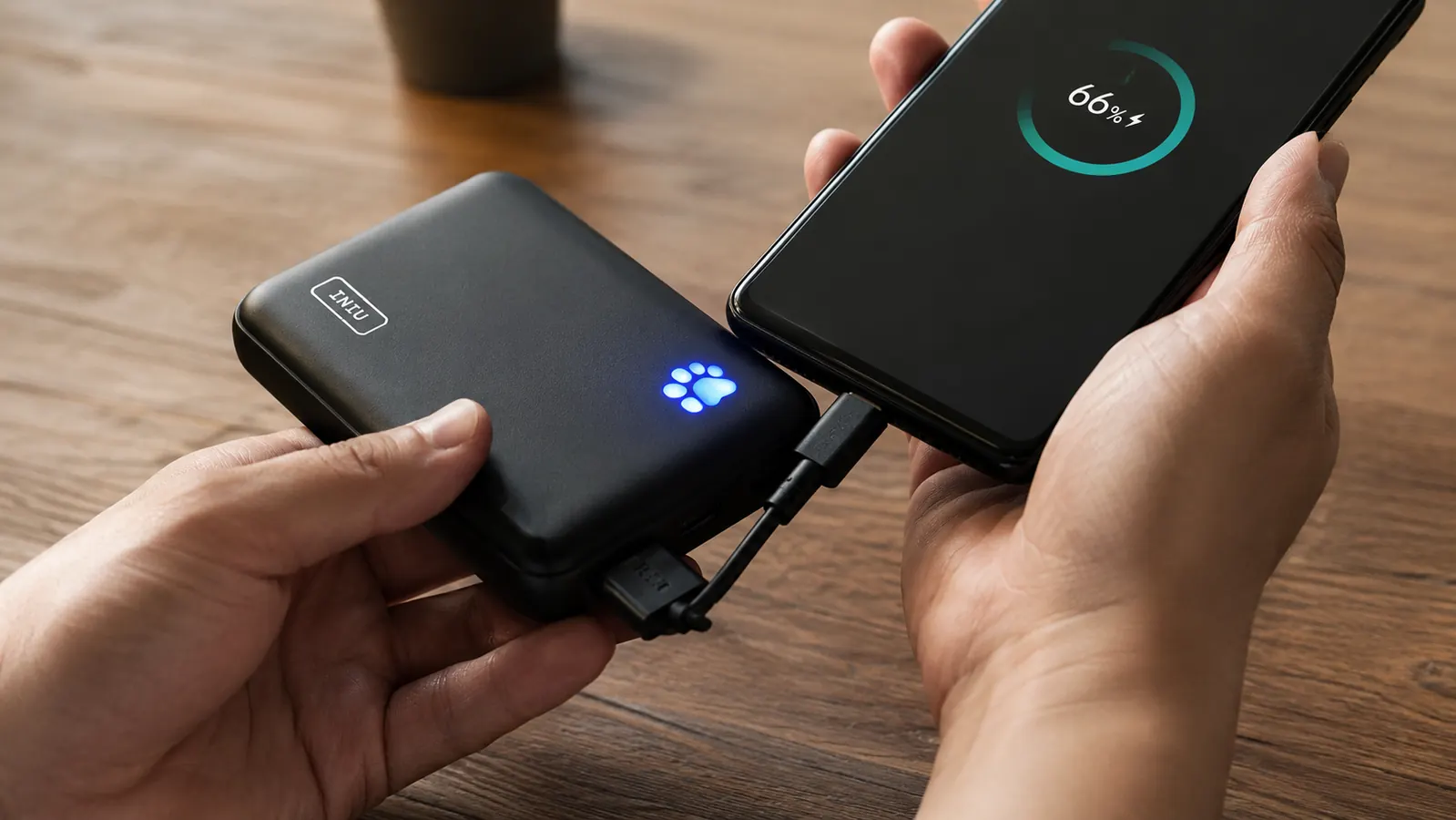
45W fast charging means a real top-up, not a slow trickle
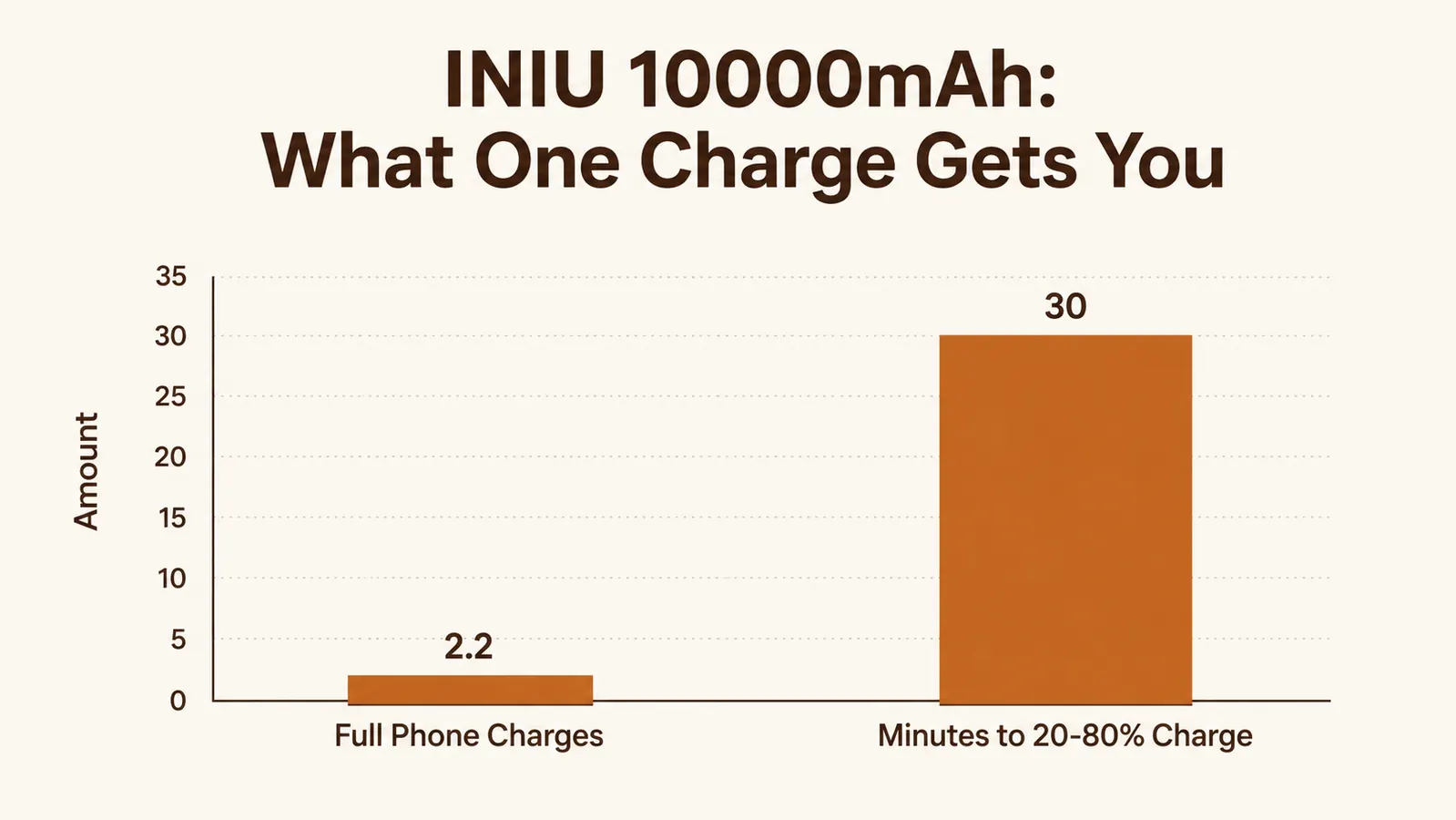
A lot of power banks charge a phone at a crawl, which is fine at home but useless when a boarding call is in fifteen minutes. The INIU's 45W output pushes a compatible phone from roughly 20 percent to 80 percent in under 30 minutes, which is fast enough to matter during a short layover instead of just being a spec on a box. That speed is the difference between topping off before a flight and boarding with a phone that's still in the red.
10000mAh is enough capacity without the bulk of a bigger brick
A 10000mAh cell holds roughly two full charges for most phones, which covers a full travel day plus a buffer, without the weight and bulk of a 20000mAh charger that barely fits in a daypack. Bigger banks exist for a reason, but for a single phone and the occasional pair of earbuds, 10000mAh is the sweet spot between real capacity and something you'll actually carry every day instead of leaving in a drawer because it's too heavy to bother with.
It's small enough to live in a jacket pocket, not just a bag
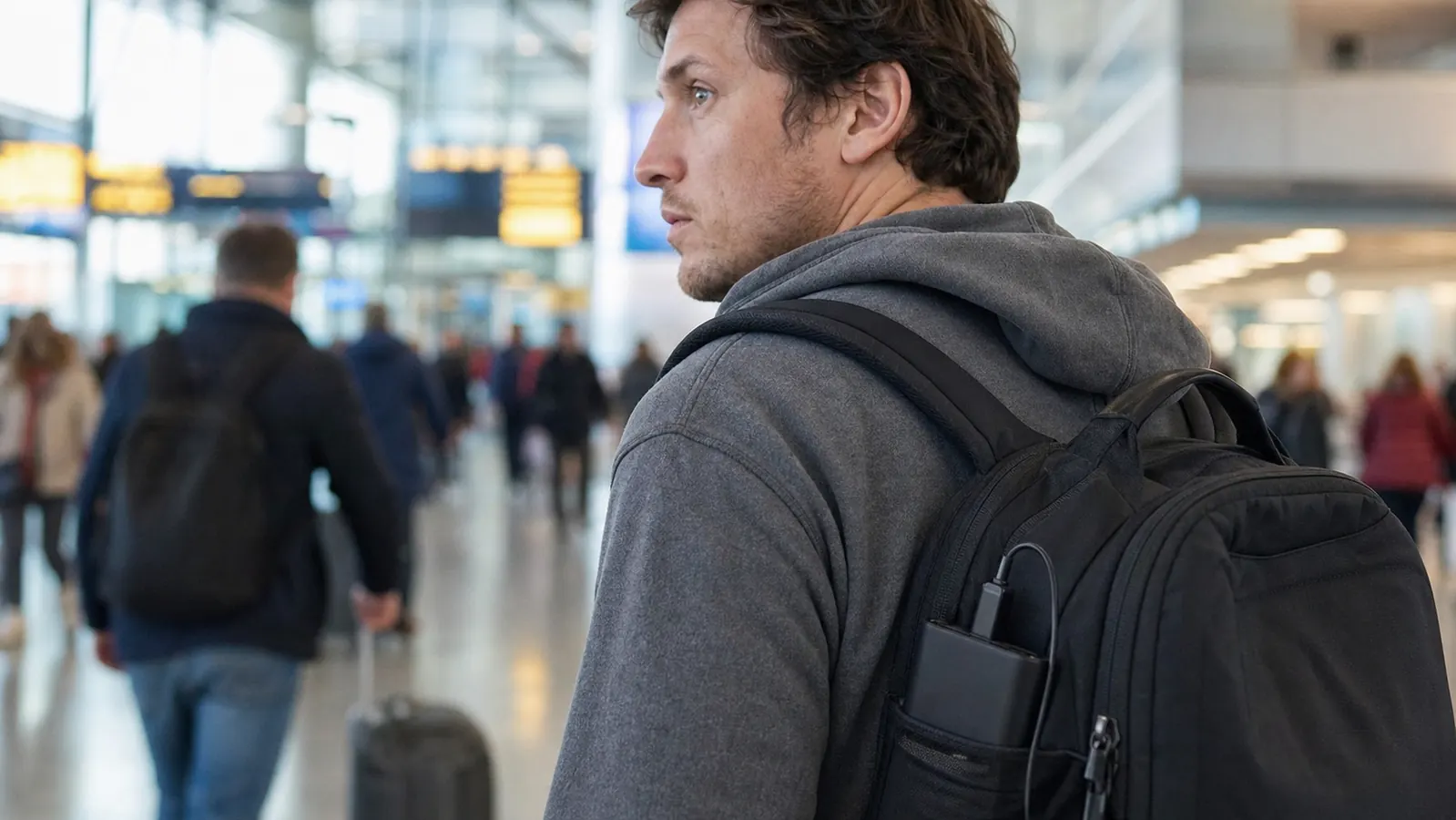
A charger that only comes out during a packing session doesn't help much on the actual travel day. The INIU is close to the size of a phone itself, which means it fits in a jacket pocket or a small bag pouch and stays on you through security, the gate, and the flight instead of getting buried at the bottom of a backpack. The chargers that get used are the ones that are still within reach when the battery warning actually pops up.
You're not hunting for an open outlet at a crowded gate
Airport gates fill up fast, and the handful of outlets near the seats get claimed within minutes of a delay being announced. Carrying your own charge means you're not competing for a spot on the floor next to a stranger's luggage or unplugging a charging station kiosk that costs money by the minute. The phone charges from a seat, a bench, or standing in line, wherever you actually are, instead of wherever the outlets happen to be.
Rideshares and rental cars stop being your only charging plan
Relying on a car charger means the phone only tops up while you're actually driving or riding, which leaves gaps every time you're walking a city, waiting at a restaurant, or sitting through a delayed rideshare pickup. A power bank in a bag fills in those gaps on its own schedule, not the car's, so the phone stays usable for photos and navigation the whole time you're out exploring, not just the parts of the day spent in a vehicle.
It backs up more than just a phone
The same 45W output charges wireless earbuds, a smartwatch, or a Kindle, which means one small charger covers most of the electronics a typical traveler actually carries instead of needing a separate backup for each device. On a trip where the earbuds die during a long flight and the watch is at 10 percent by dinner, having one charger that handles all of it beats packing three different backups for three different gadgets.
TSA has never once flagged it going through security
Lithium battery rules make some travelers nervous about carrying a power bank at all, but at 10000mAh the INIU sits well under the 27000mAh threshold TSA actually cares about, and it's never triggered a bag search or a question at the checkpoint across dozens of flights. It goes in the carry-on, not checked luggage, which is the one rule worth actually remembering, but beyond that it moves through security exactly like a phone would.
It survives the actual abuse of a packed bag, not just gentle use
A charger that cracks or stops holding a charge after getting tossed into a backpack with keys, a water bottle, and a laptop isn't worth the shelf space. The INIU's casing has taken that same rough treatment across repeated trips, including getting sat on in an overhead bin scramble, without a cracked case or a charging port that stopped working. That kind of durability under normal travel wear, not careful desk use, is what actually separates a charger worth buying from one you'll be replacing after a single trip.
It pays for itself the first time it saves a trip
At current pricing, the INIU costs less than a single meal at an airport, and it only has to prevent one missed rideshare pickup, one unreadable boarding pass, or one lost afternoon without a working phone to be worth more than what you paid for it. Compared to a paid airport charging kiosk, or a replacement phone case bought in a panic because the original died mid-trip, a portable charger is one of the few travel purchases that earns its keep on the very first use and keeps earning it on every trip after.
What I'd Skip
Not every charging feature is worth paying extra for. Skip anything under 20W output, since a slow trickle charge defeats the purpose of carrying a backup at all. Skip oversized 20000mAh-plus bricks unless you're charging multiple devices for multiple people, since most solo travelers never use half that capacity and end up carrying dead weight instead. And skip cheap no-name banks with no pass-through charging, since not being able to charge the bank itself and a phone at the same time overnight is a real inconvenience on a multi-device trip. The INIU's 45W output at 10000mAh hits the range most travelers actually need without paying for capacity or speed that never gets used. For a longer look at how it's held up, our long-term review covers six months of daily use in more detail.
The real test isn't whether a charger works on day one. It's whether it's still in the bag, still working, on trip number twenty.
Never board another flight on 12 percent battery
The INIU 45W 10000mAh charger has gone on every trip since we bought it and never left us stranded. Check today's price on Amazon before you pack for the next one.
Amazon Check Today's Price on Amazon →