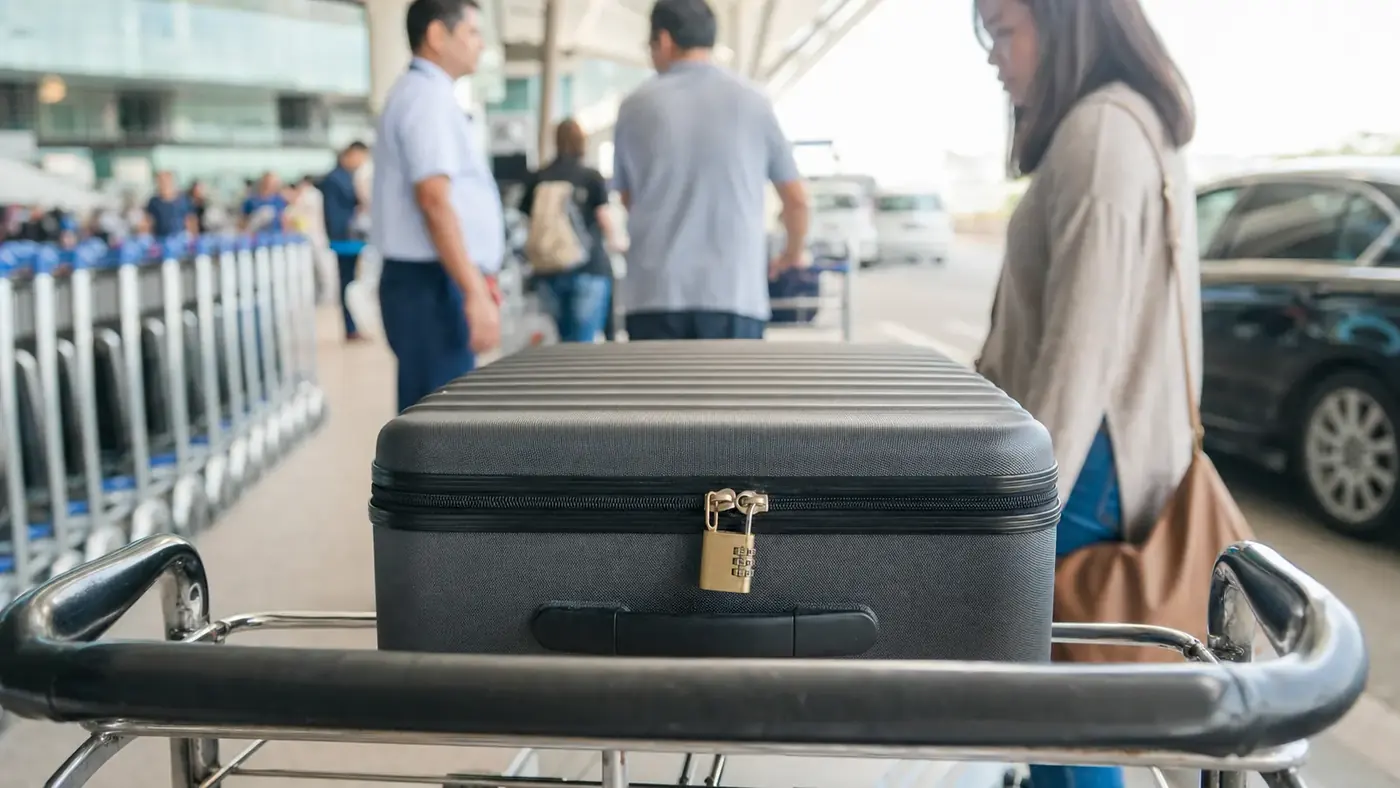
A TSA lock is one of those small purchases that gets debated more than it deserves. Some travelers skip it entirely and trust the factory zipper pulls to hold. Others buy the cheapest three-dollar lock off an airport newsstand rack and never think about it again until it seizes up on a rainy layover and has to be cut off with bolt cutters at baggage claim. After running a SURE LOCK TSA Approved Luggage Lock through checked bags on close to two dozen trips, from short domestic hops to international connections with tight layovers, the case for buying a real one stops sounding like marketing and starts looking like arithmetic.
It's worth being straight about what a lock like this actually does before getting into the list. It is a deterrent and a tamper indicator, not a vault. It will not stop someone determined enough to cut a zipper open with a blade, and no combination lock this small honestly can. What it does is keep a zipper from working itself loose under the pressure of a packed cargo hold, discourage the casual opportunist testing unlocked bags in a busy claim area, and, on models with an open alert indicator, like the SURE LOCK's, tell you the truth about whether TSA actually opened your bag. That is the honest scope of the job. Within that scope, here are ten specific reasons it earns its few dollars every time you check a bag.
Stop handing off a checked bag with a zipper you cannot actually secure
This is the same TSA-approved lock behind every reason on this list. Check today's price and current stock on Amazon before your next trip.
Amazon Check Today's Price on Amazon →TSA can open it without cutting it off
This is the whole point of buying a lock that carries the TSA-recognized marking instead of a generic combination lock from a hardware store. Agents carry a master key that fits the internal mechanism, so if your bag gets pulled for a physical inspection, they open the lock, search the bag, and lock it back up before it continues on to the next flight. A non-approved lock just gets cut off the zipper pulls and thrown away, leaving your bag unsecured for the rest of the trip and your lock gone for good.
The open alert indicator tells you the truth
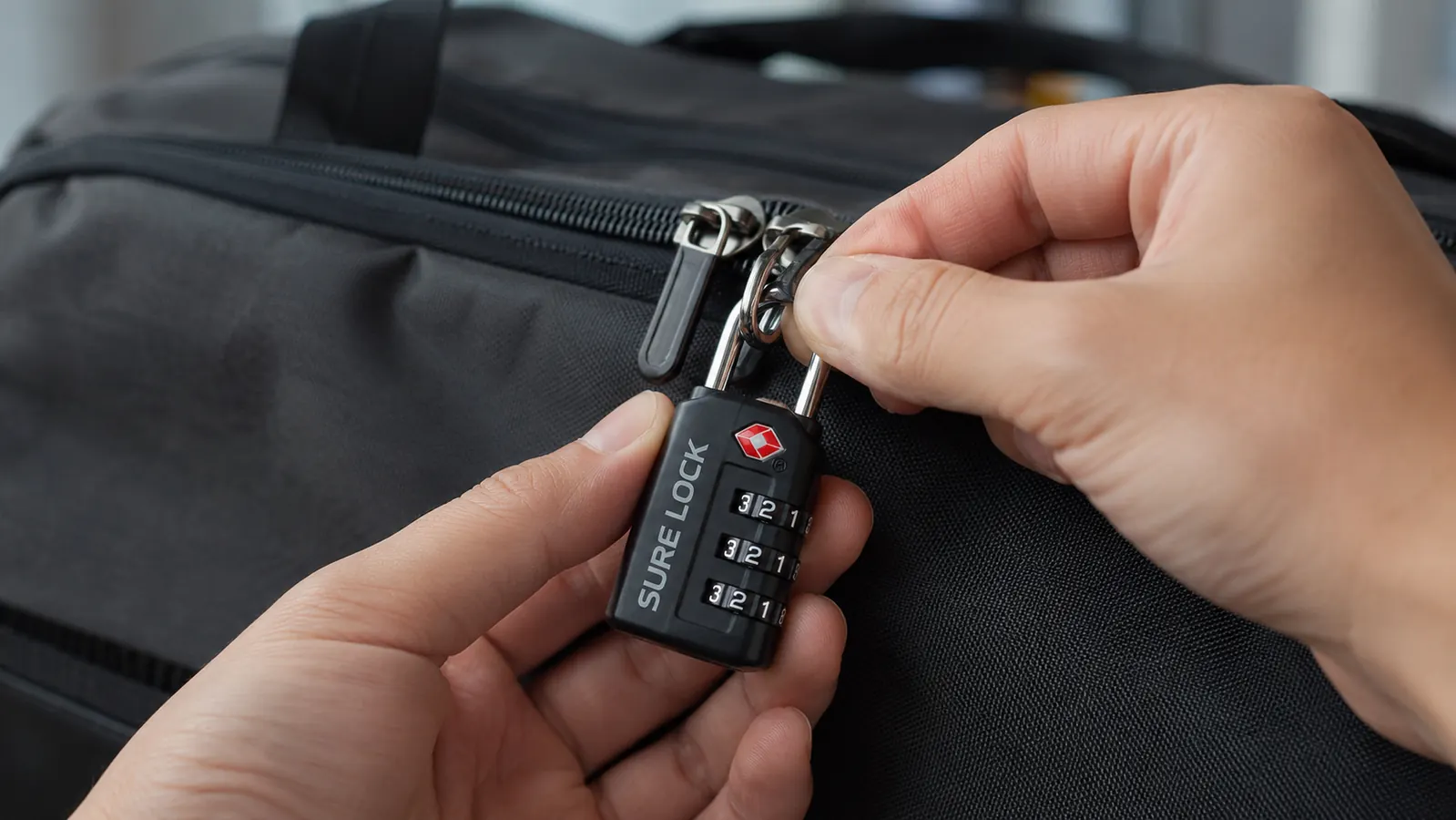
A small red window built into the top of the dial housing pops up once the lock has been opened with the TSA master key instead of the combination. Reset it after a search and it goes flat again until the next one. That is the difference between guessing whether your bag was searched and knowing for certain. A plain lock with no indicator gives you no such confirmation, just a bag that may or may not have been opened somewhere between the counter and the carousel.
It costs less than most people assume
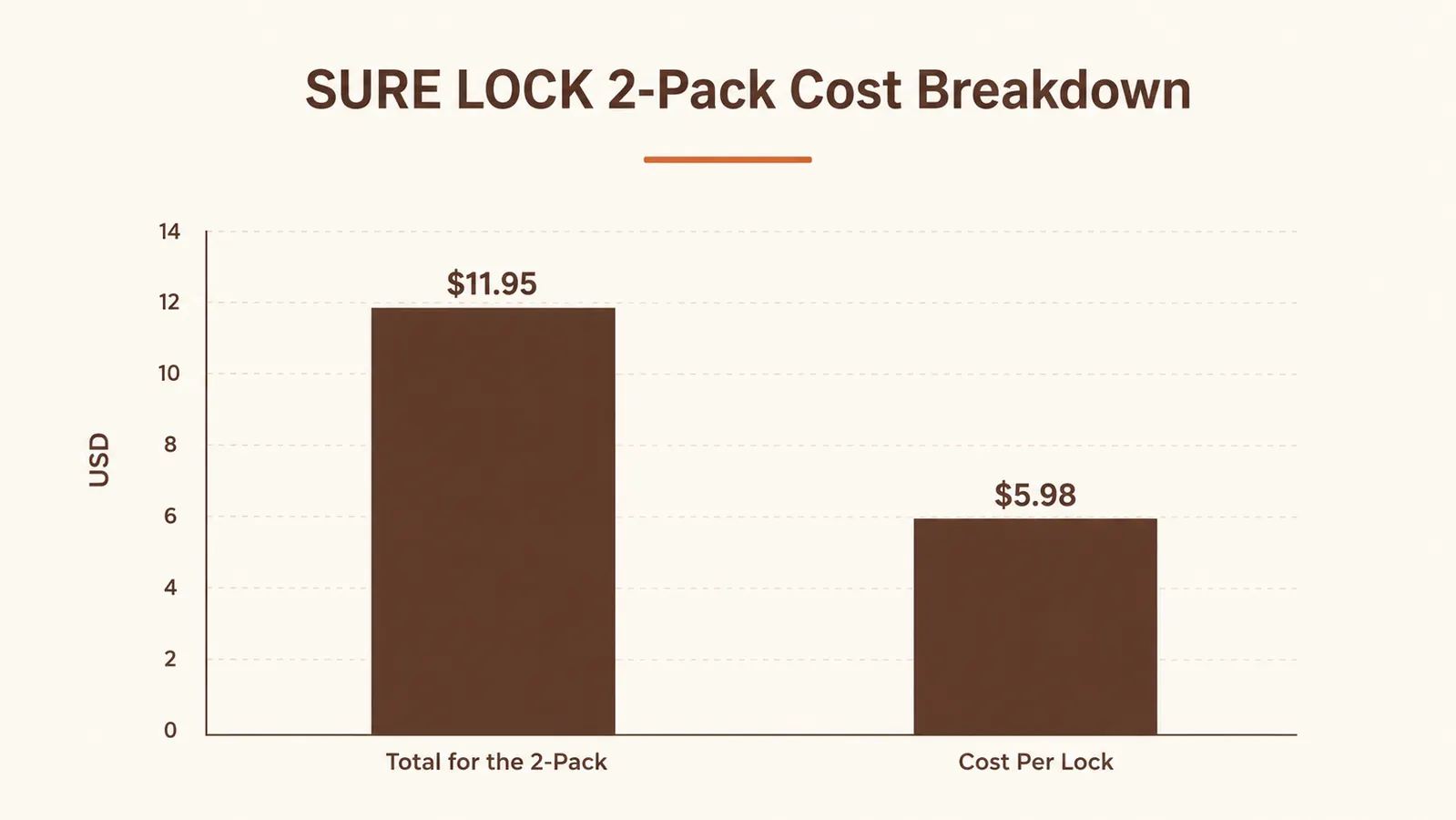
A two-pack of SURE LOCK locks runs at a low price, which works out to roughly half that per lock. That is one for a checked suitcase and one for a soft-sided duffel or a second traveler's bag, both covered for less than most people spend on airport coffee during a single layover. Compared to what a jammed pharmacy-rack lock costs to replace every year or two, or what it costs to repair a zipper pull torn loose because nothing was holding it shut, the math favors buying a real one from the start.
It weighs next to nothing against your baggage limit
A lock this size adds a fraction of an ounce to a checked bag, which never registers on an airline scale even when you are already pushing close to the 50 pound limit. That sounds like a small detail until you have paid an overweight bag fee once. Anything you add to a suitcase that does not eat into that margin is worth having, and a lock this compact simply is not a factor either way.
The body and shackle hold up to real baggage handling
The lock body is a compact zinc alloy housing and the shackle is a thin loop of hardened steel, small enough to clip and release cleanly around zipper pulls without snagging fabric. Neither piece is built to resist bolt cutters, but that was never the job. Across repeated trips through conveyor belts, cargo hold loading, and the occasional rough handoff at a connecting flight, the shackle keeps clipping and releasing with the same light click it had out of the box, cosmetic scuffs aside.
It keeps a zipper from working itself open in a packed cargo hold
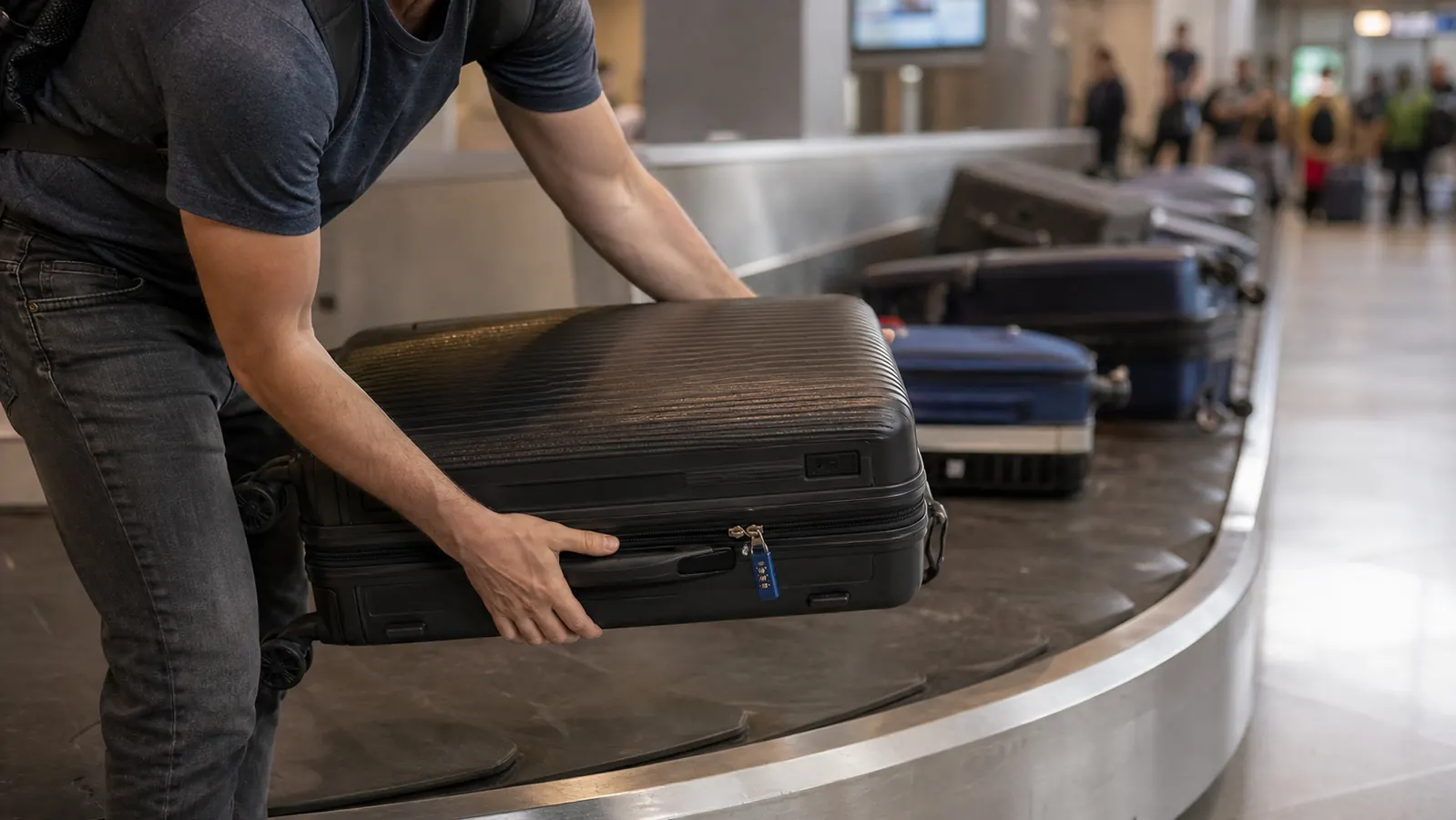
Checked bags get stacked, tilted, and jostled for hours between the counter and the carousel, and a fully packed zipper under that kind of pressure can work its way open a few teeth at a time. A lock clipped through both zipper pulls holds them together so that pressure has nowhere to go. This is the single most practical reason to use one, well ahead of theft concerns, since a bag that arrives with its contents half spilled into the cargo hold is a far more common problem than an actual break-in attempt.
It discourages the casual opportunist, even if it cannot stop a determined one
Most theft from checked or unattended luggage is opportunistic, someone testing an unlocked zipper on a bag left alone near a carousel or in an open hotel storage room, not a planned break-in with tools. A visible lock is enough to send that person to the next bag. It will not stop someone who shows up with bolt cutters intending to target your bag specifically, and it should never be mistaken for that kind of protection. As a low-cost deterrent against the far more common opportunist, it does exactly its job.
Resetting the combination takes seconds, and there is no key to lose
The three digit dial resets with the shackle depressed, a quick sequence you only need to be shown once. There is nothing to carry, nothing to lose in a hotel room, and nothing to fumble for at a rushed gate check. Compare that to a keyed lock, where losing the one key on a multi-city trip means cutting the lock off yourself or leaving the bag unlocked for the rest of the itinerary. A combination you set yourself removes that entire failure point.
One lock covers more than just a suitcase
The same lock clips just as easily onto a soft-sided duffel, a backpack with zipper compartments, or a garment bag, so a two-pack rarely sits unused after the first trip. Buy it thinking about a checked suitcase and it ends up on a gym bag left in a shared hostel locker room, or on a carry-on backpack set down at a crowded gate while boarding is called. Versatility like that is part of what makes a cheap lock feel worth keeping in a travel kit permanently instead of buying one trip at a time.
It's cheap insurance against the far more expensive alternative
Doing nothing costs nothing until the trip where a zipper works open in transit, a bag gets picked through in a hotel storage room, or a replacement lock has to be bought at an airport shop for triple the price because the one at home got left behind. An affordable two-pack, used on every trip for years, ends up cheaper than a single incident it prevents. That is the actual case for buying one before your next trip rather than after something goes wrong on this one.
What I'd Skip
Skip any lock that does not carry the TSA-recognized marking, since it will simply get cut off and discarded the moment your bag is pulled for a search, leaving you down a lock and an unsecured zipper for the rest of the trip. Skip a lock with no open alert indicator if you have the choice, since without one you are guessing whether TSA actually opened your bag rather than knowing. And do not mistake a SURE LOCK, or any TSA lock this size, for real security on high value items. Passports, electronics, and jewelry belong in a carry-on, not a checked bag protected by a lock built to deter casual tampering, not stop a determined thief. If you want the full walkthrough of clipping one on correctly, here is how to secure checked luggage with a TSA lock step by step, and if you want to see how this exact lock held up over a full year of real flights rather than a general case for the category, the long-term SURE LOCK review covers that in detail.
The job of a lock this size was never to stop a determined thief. It was to keep a zipper closed and give you an honest answer about who opened your bag.
Ten reasons, one small purchase before your next checked bag
The SURE LOCK TSA-approved lock behind this list costs a few dollars and covers every reason above. Check today's price on Amazon before you pack.
Amazon Check Today's Price on Amazon →